Table Of Content

It also gives time for the damaged hair follicles to heal. The doctor will also advise against scratching and popping the boils and cysts formed by the ingrown hair. If you decide to remove the hair yourself, practice smart hair removal to reduce your chance of ingrown hair. Some types of ingrown hair cysts can’t be prevented simply by avoiding hair removal.
What's the difference between ingrown hairs and infected ingrown hairs?
Many types of bacteria can cause infections in an ingrown follicle. While not all ingrown hairs will contract an infection with staph, some can develop this type of infection from a bacterium that usually lives on the skin. Many people call these bumps razor bumps or razor burn, and their medical name is pseudofolliculitis.
What makes people at higher risk for vaginal boils?
Contact your healthcare provider if you notice any signs of infection. Ingrown hair cysts happen when a hair follicle gets blocked, and the hair grows into your skin instead of out. You should never pop an ingrown hair cyst because it can cause infection and scarring. The cysts may go away on their own, but if they hurt, look red, or ooze pus, see a healthcare provider for treatment. A vaginal boil (also called a furuncle or skin abscess) is a painful, pus-filled bump that develops under the skin in your pubic area. When a hair follicle becomes infected it is called folliculitis.

World Liver Day: 7 signs of fatty liver on skin
If the infection is severe or causes a lot of pain, you may need to have the boil drained or your provider may prescribe an antibiotic. Identifying an ingrown hair cyst is usually straightforward. It typically appears as a small, red bump that might feel tender to the touch.
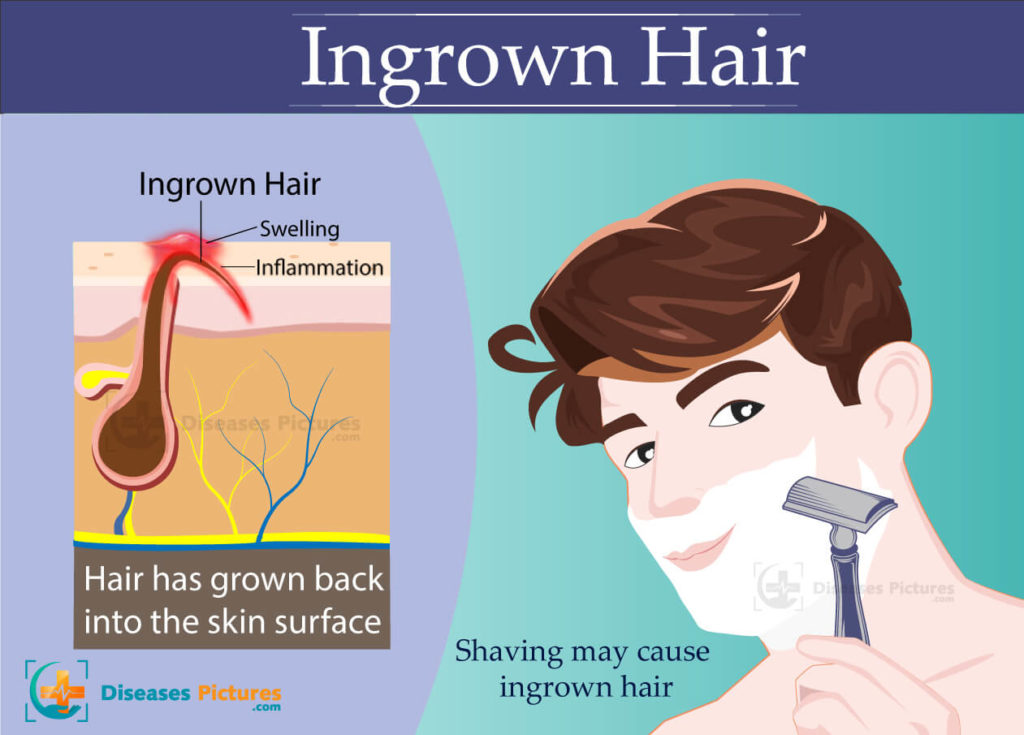
Possible side effects of this method are blistering, scarring and loss of skin color (dyspigmentation). An ingrown hair looks like a raised, discolored spot on your skin. It’s a strand of hair that grows back into your skin after shaving, tweezing or waxing. Ingrown hairs can affect anyone, but they’re easy to treat and prevent with the right hair removal practices.
Mild folliculitis will likely heal without scarring in a few days with basic self-care. More-serious or repeat infections may need prescription medicine. Left untreated, severe infections can cause permanent hair loss and scarring. One ingrown hair may form a cyst — a red, yellow, or whitish lump beneath the skin.
If it’s not treated, a pilonidal cyst can possibly lead to an abscess or a sinus cavity. Those are both signs that the skin infection is getting worse. A pilonidal cyst can be extremely painful especially when sitting. You may be more likely to get ingrown hairs if you have coarse or curly hair.
The results of electrolysis and laser hair removal are immediate. It is easy to mistake a harmless cyst for a more serious skin condition. Anyone with a cyst that does not clear up after 1–2 weeks should contact a doctor. Cysts develop from a sac under the skin, which can fill with a thick, yellow substance called keratin.
How to Get Rid of an Ingrown Hair, According to a Dermatologist - PureWow
How to Get Rid of an Ingrown Hair, According to a Dermatologist.
Posted: Tue, 02 Jul 2019 07:00:00 GMT [source]
If the hair is near the skin’s surface, however, you may be able to remove it by gently grasping it with sterilized tweezers. Other remedies you can prepare at home include fermented foods, which works to boost and preserve the natural flora in the digestion system. Colloidal silver which is a natural antibiotic and extra virgin coconut oil that has natural occurring anti-fungal and antimicrobial properties.
Razor bumps and ingrown hair cysts can take several days or even weeks to fully clear up on their own. Timely treatment can help get rid of them and prevent them from returning. If your ingrown hair is painful, swollen, red, or filled with pus, it may be infected. Using warm compresses or warm tea bags may help bring the infection to a head.
However, even after surgery, a pilonidal cyst can remain as a chronic, returning condition. This is true especially if the condition has gotten worse or if pilonidal cysts run in your family. Pilonidal cysts can be a one-time (acute) problem or you may have chronic (returning) cysts. For mild ingrown hair cysts, there are some home remedies that can often be effective. Coarse, curly hair is more prone to ingrown hairs compared to straight or fine hair, as the curls are more likely to turn inwards and pierce the skin.
The hair that grows back has a sharper edge, so it can more easily poke back through your skin and get trapped under the surface. Treatments for an infected ingrown hair vary based on the type and severity of the infection. Your healthcare provider can help you decide how to address your ingrown hair directly. In most cases, a few changes in a person’s skin care routine can significantly reduce the risk of ingrown hairs and related irritation or cysts. However, if the lump is painful, people should speak with a healthcare professional, as this may indicate an infection. If you often develop infected ingrown hairs, the doctor may take a skin sample for testing.
A carbuncle is a cluster of boils that extend into deeper tissues which can lead to the formation of an abscess. A carbuncle is a cluster of boils painful, pus-filled bumps that form a connected area of infection under the skin. If a person develops an infection, they should contact a healthcare professional for treatment. An area with ingrown hairs may have little reddish bumps that may itch. It might be possible to see the hair trapped within the skin. This article explains how ingrown pubic hair cysts form, how to identify and prevent them, and when to contact a doctor.


No comments:
Post a Comment